
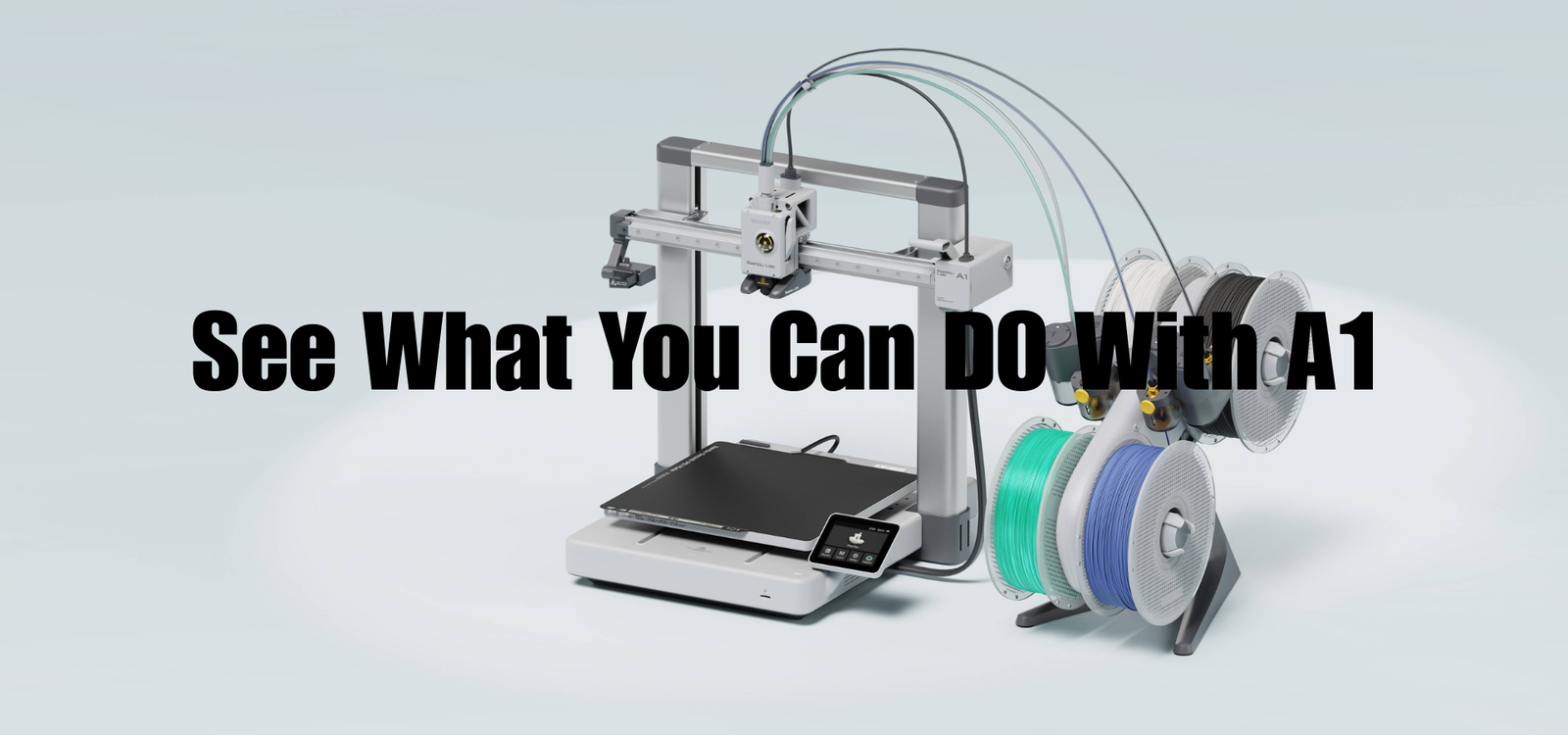
Bambu Lab A1 Mini
A Colorful Gateway to 3D Printing

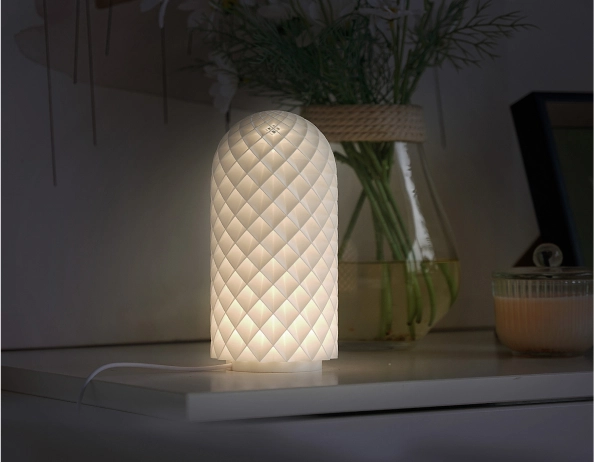
LED Lamp
6 Hours
Mystery Box Model
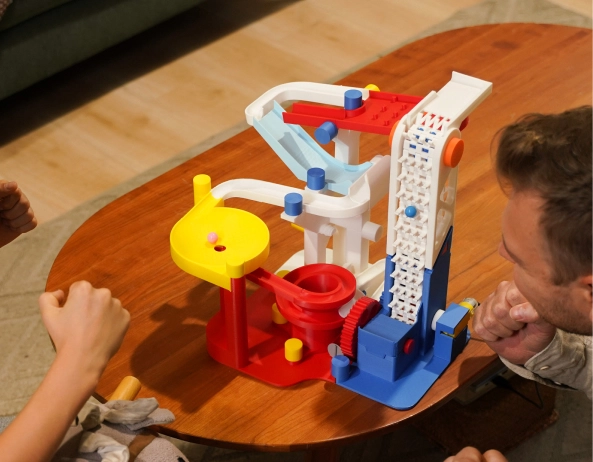
Marble Run
1 Day 30 Hours
Mystery Box Model
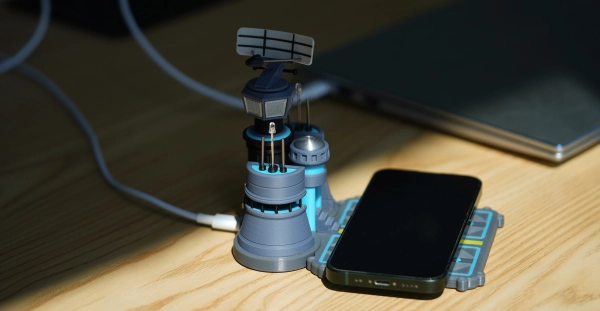
Wireless Charger
1 Day
Model created by @30 3D Print – YouTube
HIGHLIGHT
OVERVIEW
OVERVIEW

Full-Auto Calibration
Goodbye to Tedious Manual Calibration And Tuning
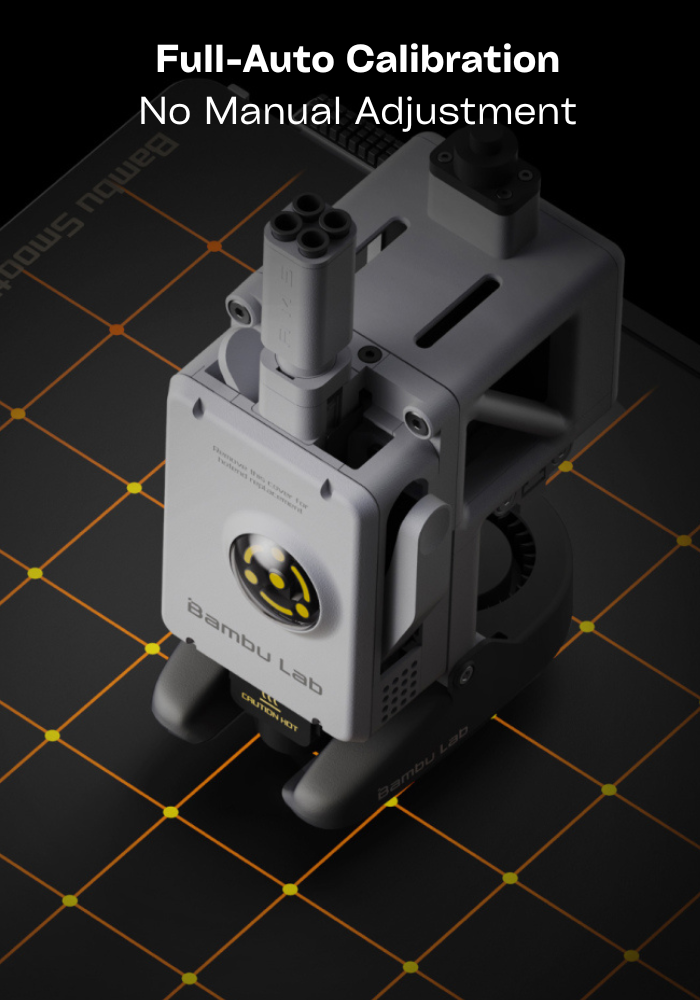
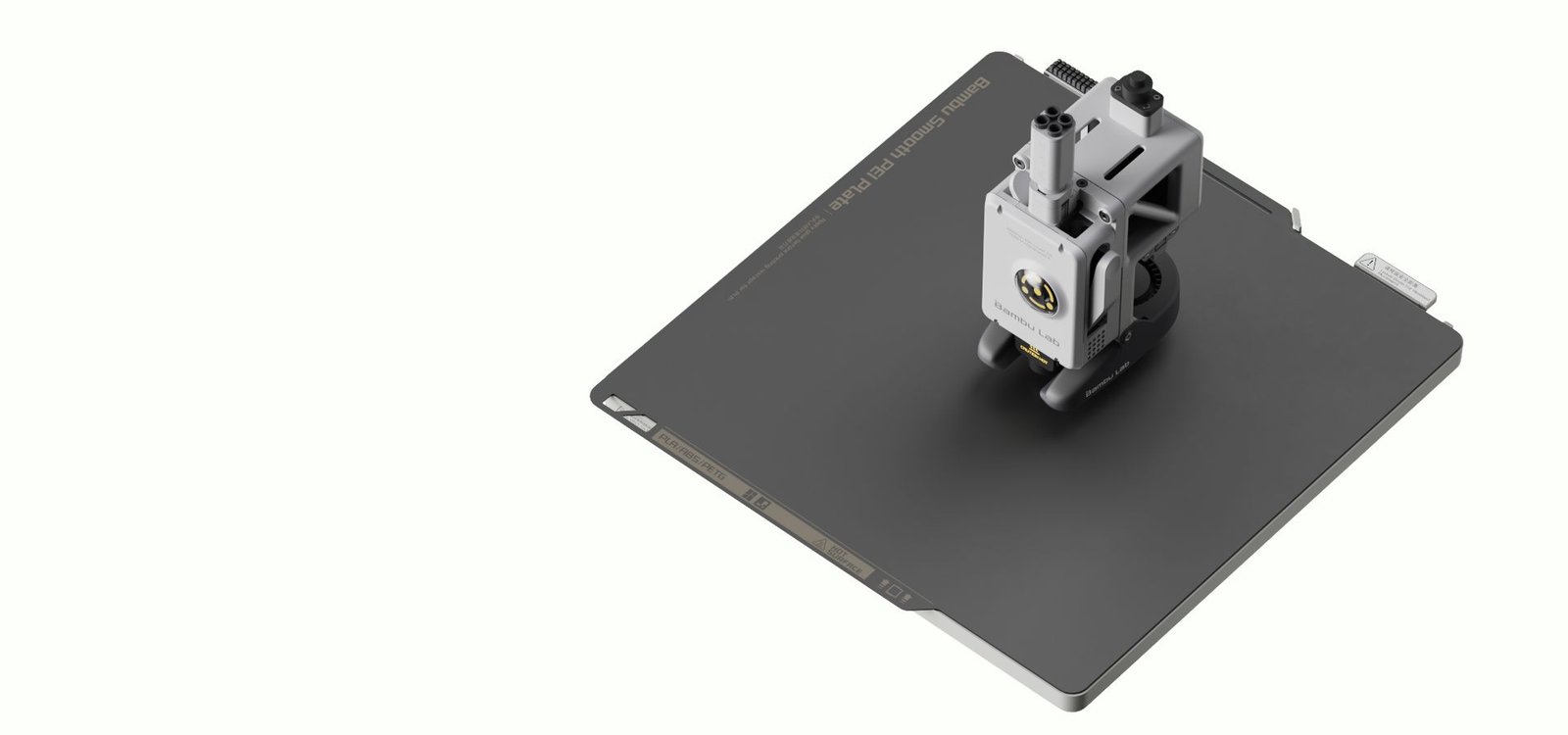
A1 mini handles various calibrations all by itself. It meticulously calibrates the Z-offset, bed-level, vibration resonance and nozzle pressure for EVERY print job, automatically.
Auto Bed-Level
Goodbye to Tedious Manual Calibration And Tuning
A1 mini handles various calibrations all by itself. It meticulously calibrates the Z-offset, bed-level, vibration resonance and nozzle pressure for EVERY print job, automatically.
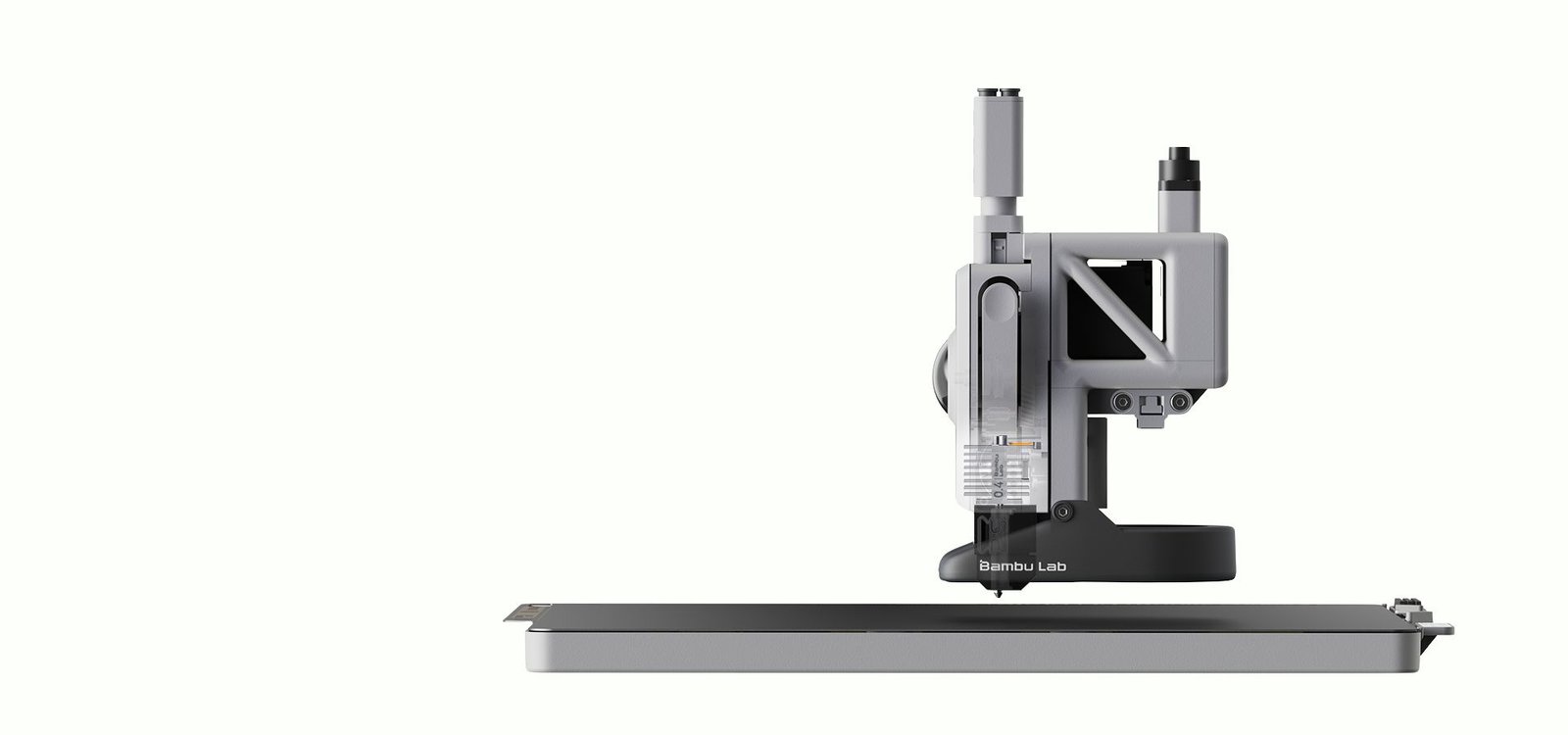
Auto Z-Offset
No More “Paper Method”
A1 mini probes the bed with the nozzle to measure the absolute z-offset. No need to stick a paper as reference.
Auto Vibration Calibration
Auto Tune Both X & Y Resonance Before Every Print
A1 mini has sensors in toolhead and heatbed. One of the very first bed-slinger printers to run auto resonance calibration on both X & Y axes.

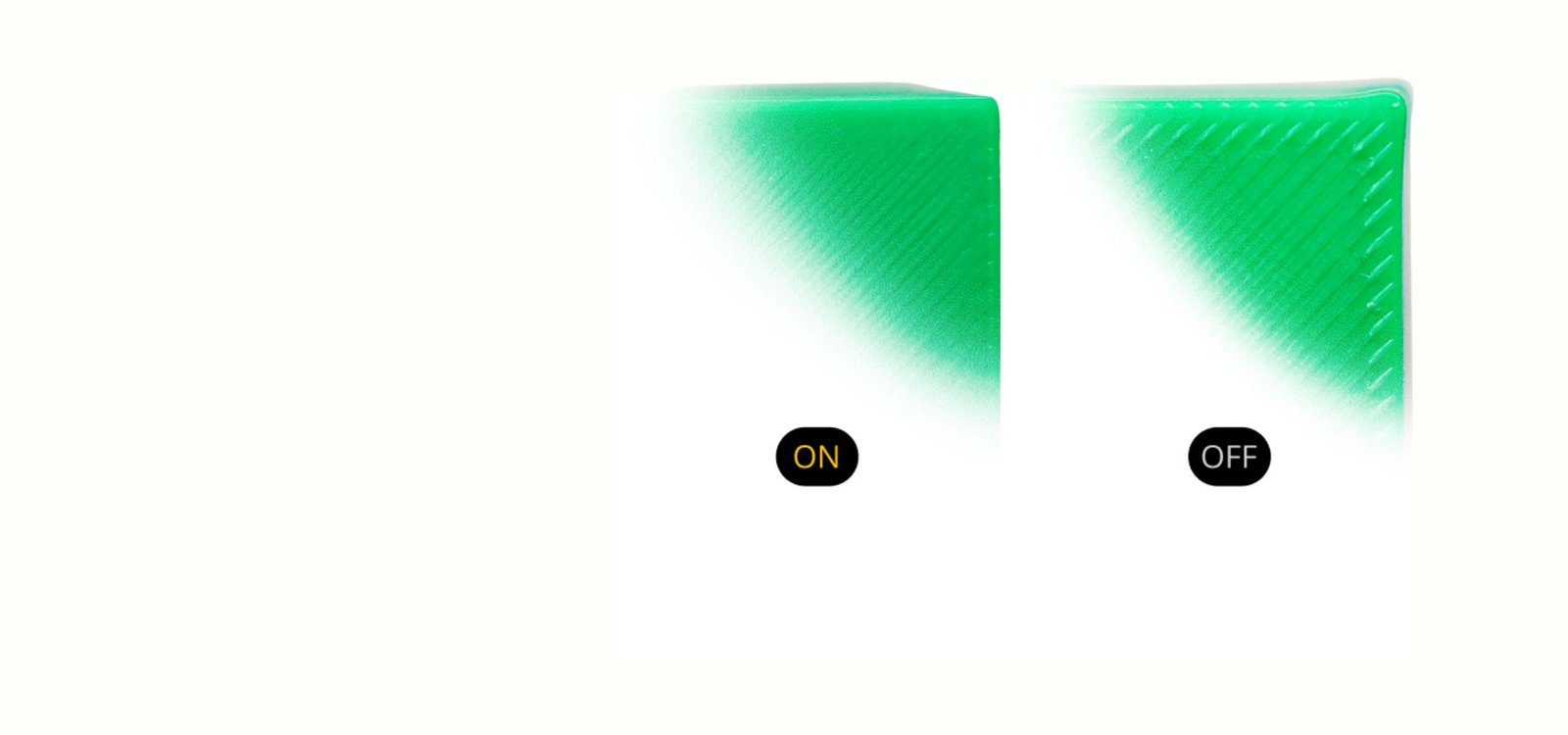
Auto Flow Dynamics
Fully Automated PA (Pressure Advanced) Calibration
First of its kind, A1 mini runs the nozzle pressure based flow dynamics calibration algorithm. No need to draw any pattern or get any manual pick & match involved, A1 mini handles Pressure Advanced calibration automatically.
Auto Belt Tension
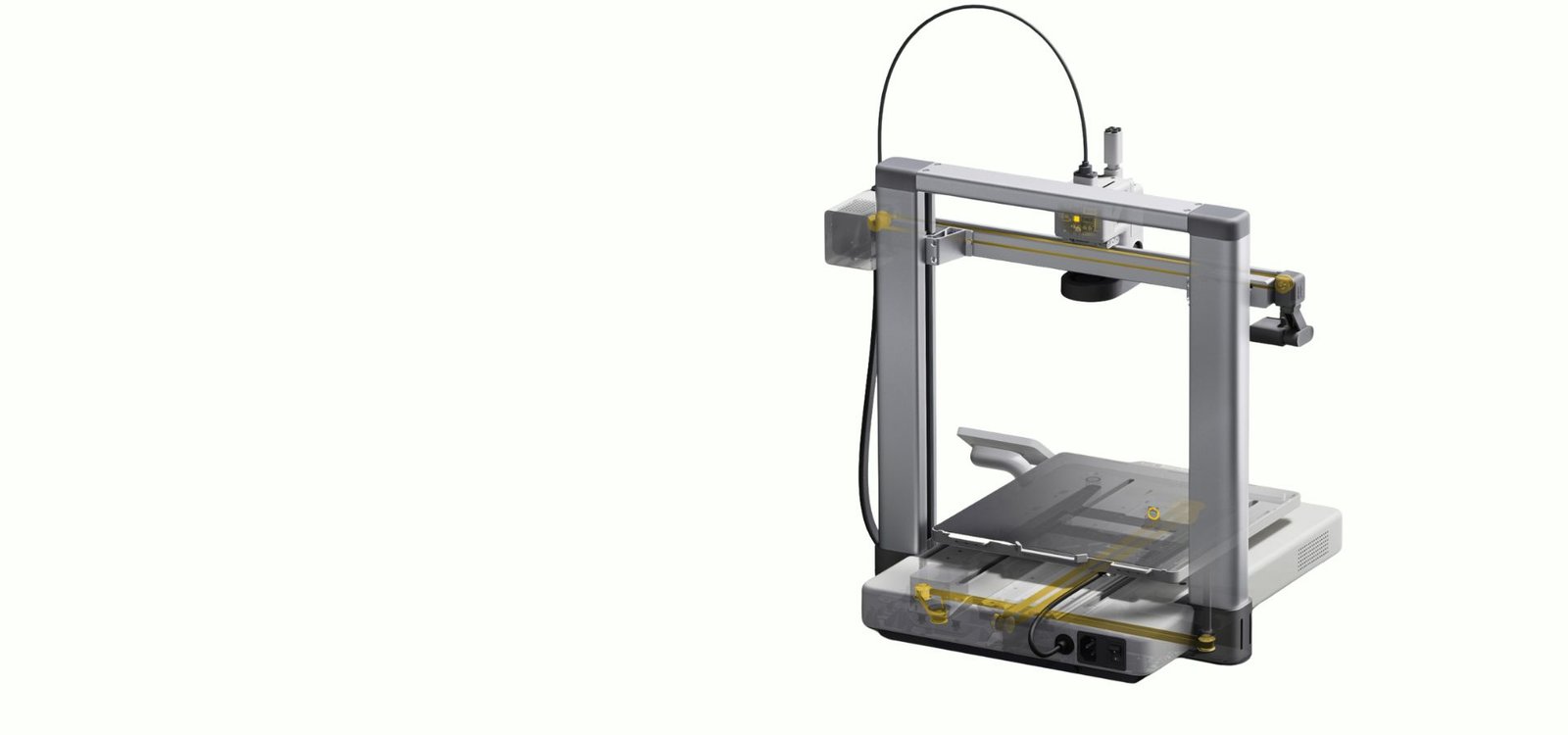
Auto Monitoring And Adjusting The Belts
A1 mini can check the belt tension automatically through the vibration frequency calibration. If the belt is loose, the HMS system will notify you to use the auto belt tensioner to set the belt to the right tension.
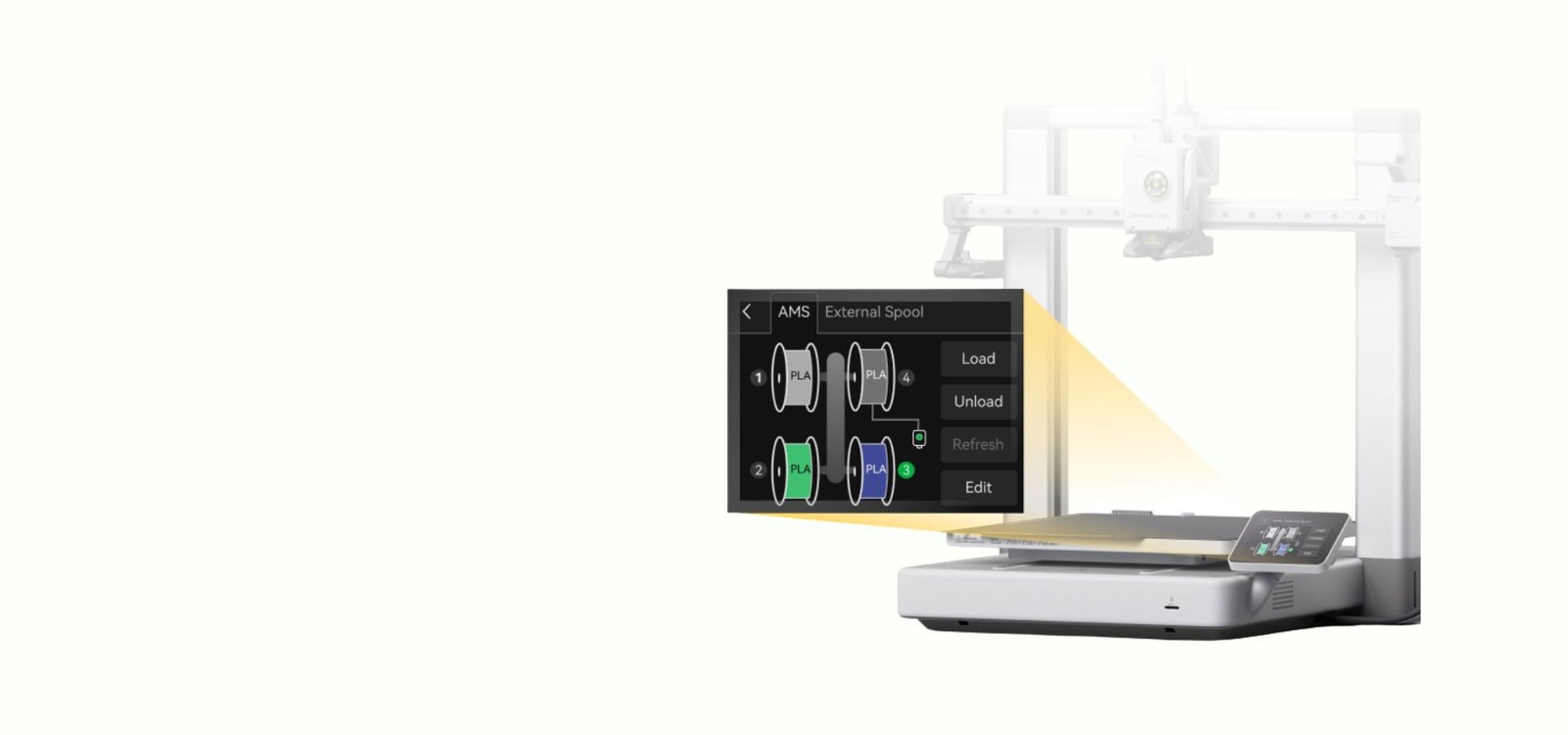
Auto Filament Loading
Load/Unload Filament With One Touch
No manual setting involved, A1 mini fully automated the filament load/unload process.

Comprehensive Filament Monitoring
Everyone knows that a clogged nozzle or a tangled spool of filament can ruin an entire fine print.Traditional filament run out sensor can only cover a limited number of failure scenarios. In the A1 and AMS lite, we have introduced a comprehensive filament monitoring system. This includes a filament tension sensor on the toolhead, a filament position sensor before the extruder, and a nozzle pressure sensor situated between the extruder and the nozzle. Additionally, the AMS lite is equipped with a filament odometer. These sensors, combined with advanced algorithms, can promptly detect potential issues such as filament tangling and breakage, and extruder skipping, safeguarding the quality of each print.
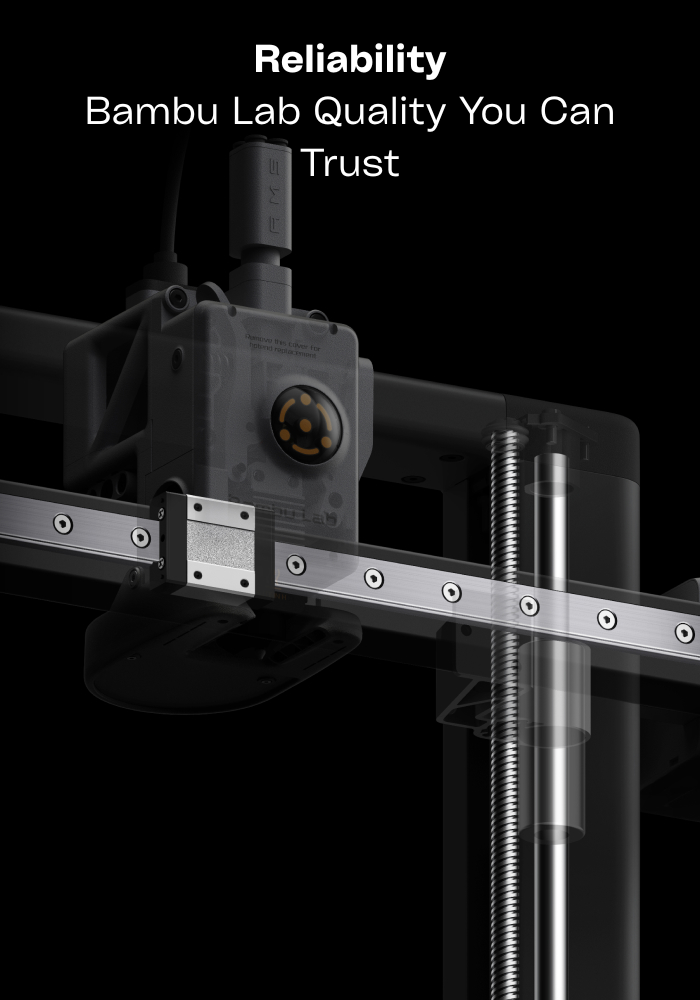
Linear Rails
The rails are the most important factor affecting the lifespan and accuracy in 3D printers, as they need to ensure the system’s rigidity during the printing process, while constantly withstanding the wear brought by high-speed motion. The A1 mini utilizes all-metal rails, incorporating high-quality linear rails on the X and Z axes, and a all-metal Linear Guide on the Y axis. These rail systems ensure that the A1 mini doesn’t require frequent adjustments by the users; regular lubrication alone can guarantee the printer’s precision and lifespan.
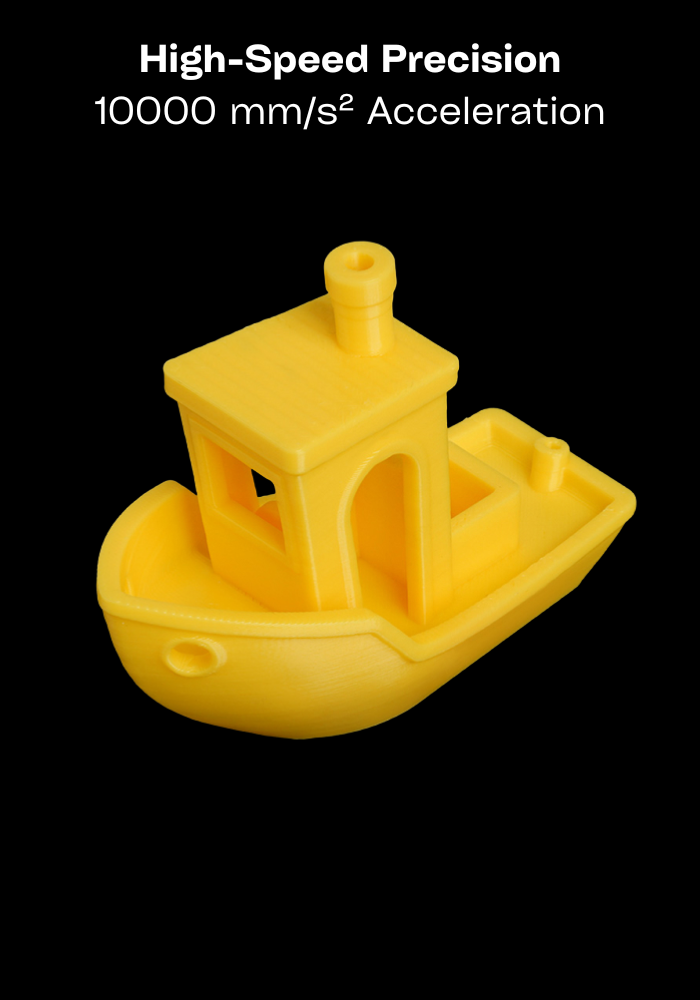
Active Vibration Compensation
Active Vibration Compensation, similar to Input Shaping found in other firmware, is the key to fast printing. To compensate for the vibration of the printer, the control system needs to know the vibration characteristics of the system, such as the natural frequency and amplitude of all axes. You can set the parameters when the printer is produced and adhere to them. However, these parameters may drift due to environmental temperature fluctuations, changes in belt tension, or even variations in the mass of the build plate. To guarantee the optimal parameters for superior print quality, we have installed sensors on both the toolhead and the heatbed, allowing for the measurement of the parameters of the X and Y axes before every print.
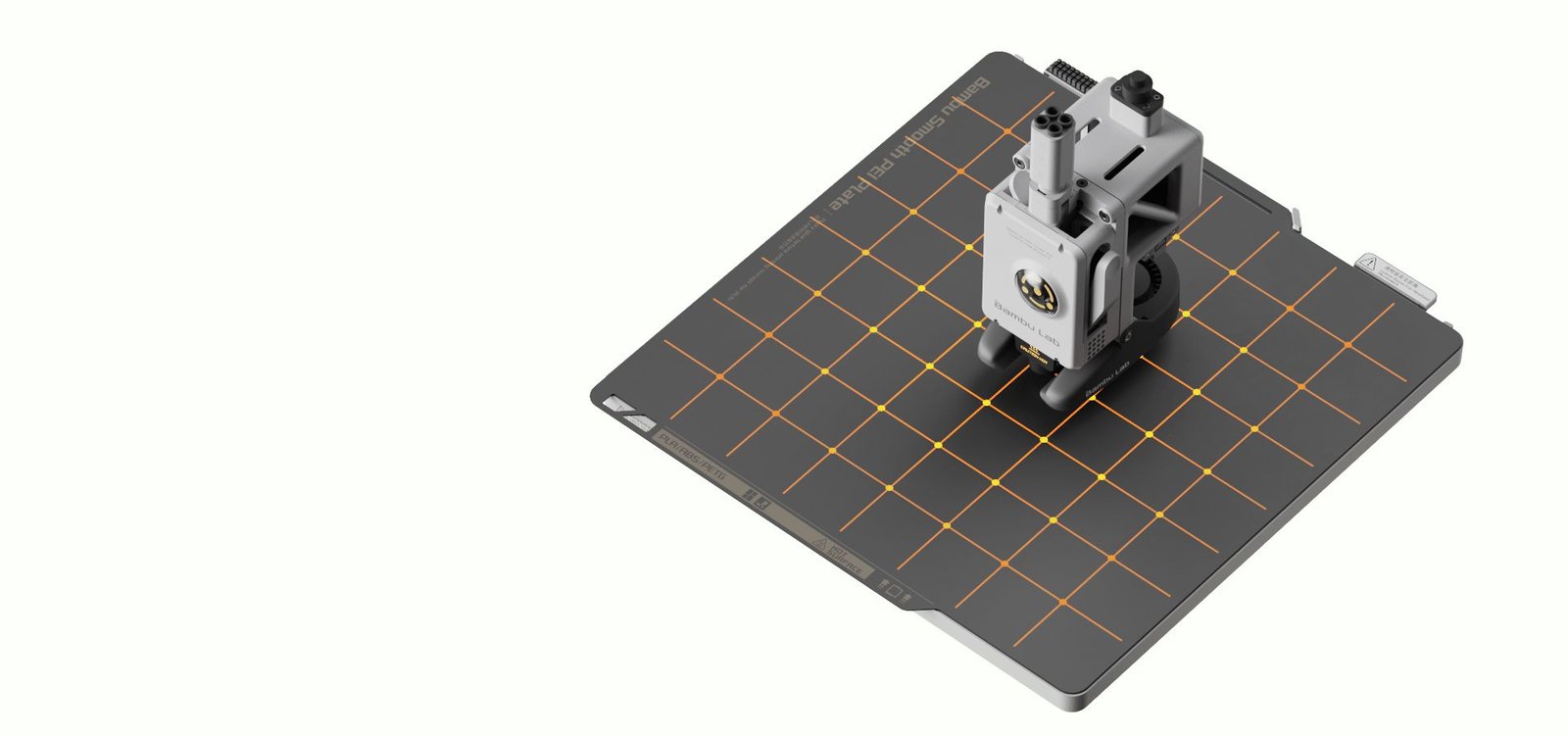
Full-Auto Leveling
The A1 mini’s full-auto ABL uses nozzle as the probe, which measures absolute distance. Bed leveling is fully automatic with zero manual adjustment needed.
Active Motor Noise Canceling
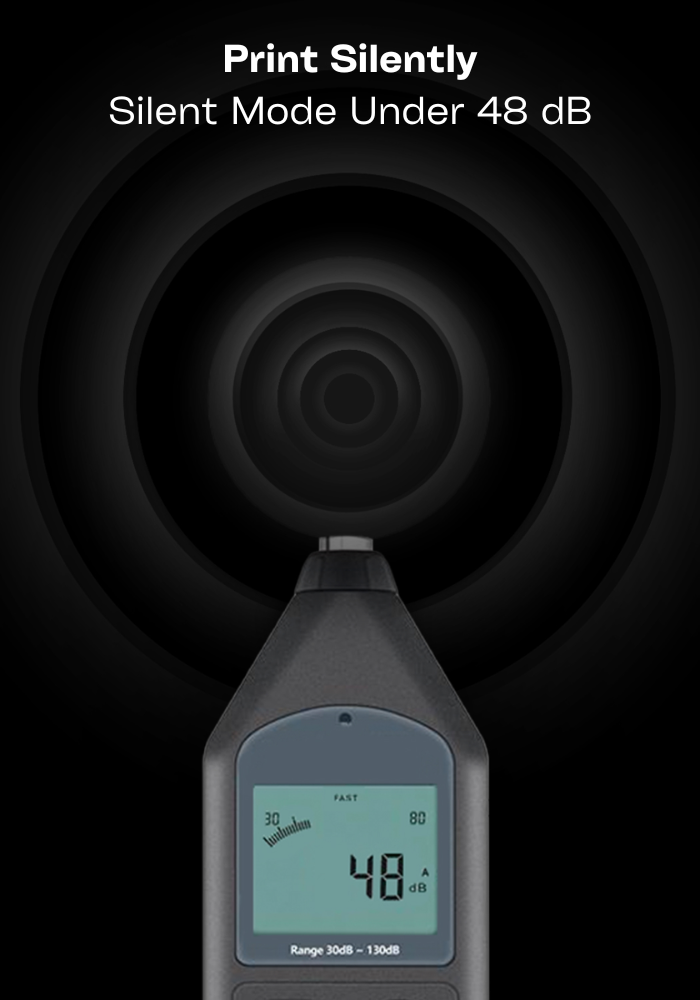
The stepper motor tends to be noisy, particularly at high speeds. By using the motor drive to inject specific high-frequency movements into the motor, we can negate a substantial portion of the noise, provided we understand the detailed characteristics of each motor. However, every motor has its own unique noise fingerprint. The A1 mini is equipped with sensors and algorithms capable of identifying the minute individual differences in each motor during calibration. This information is then utilized to cancel out a portion of the noise generated by the motor.
Real-time Monitoring
You can remotely control and monitor your A1 mini with the Bambu Handy App or Bambu Studio. You can see what’s going on even if you’re not on site.
RFID Sync
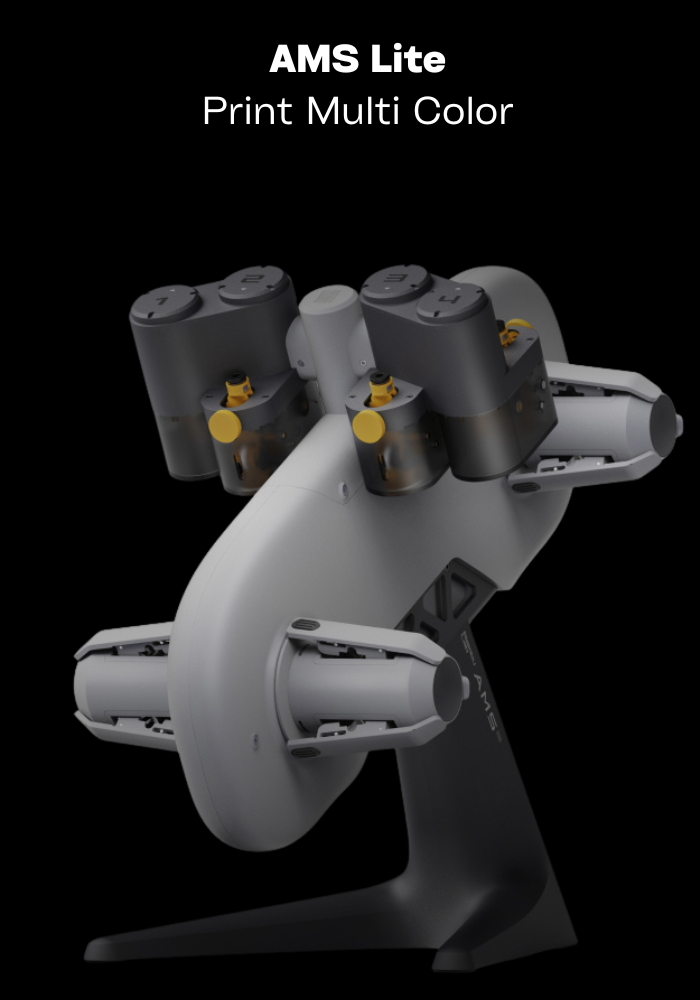
While AMS lite is compatible with most filaments on the market, it uses RFID to detect Bambu Filament with RFID tag, and automatically apply the best suited settings for them. It also enable you to monitor the filament usage, remotely.
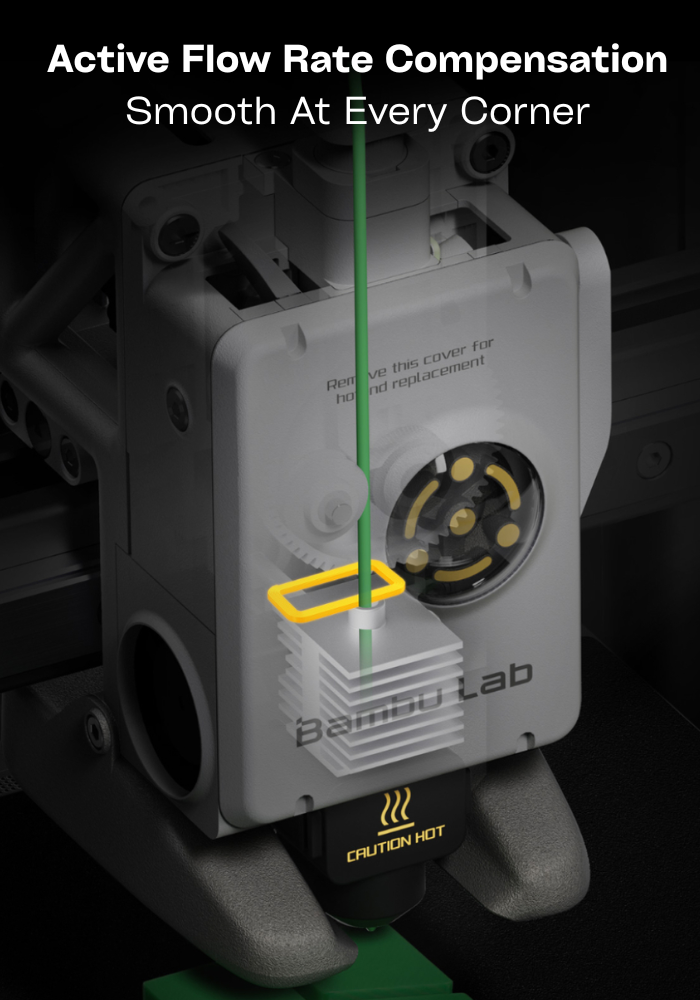
Active Flow Rate Compensation
Unlike the linear and Newtonian movement of the XYZ axes, the viscous flow of the melted plastic is non-Newtonian. The amount of plastic pushed into the hot end by the extruder doesn’t necessarily equate to the amount flowing out of the nozzle, especially at high accelerations. This discrepancy can lead to swollen corners and artifacts where the speed changes. This is where active flow rate compensation comes into play. It helps to predict and adjust the flow of the molten plastic, facilitating more accurate extrusion. Previously, we used to print straight lines with acceleration and measure the line’s width to calibrate the parameters for compensation – a process that was time-consuming and wasted space on the build plate. In the A1 mini, we employ a novel method to measure the nozzle pressure, allowing us to directly obtain the necessary parameters before each print, saving time and preserving build plate space.