

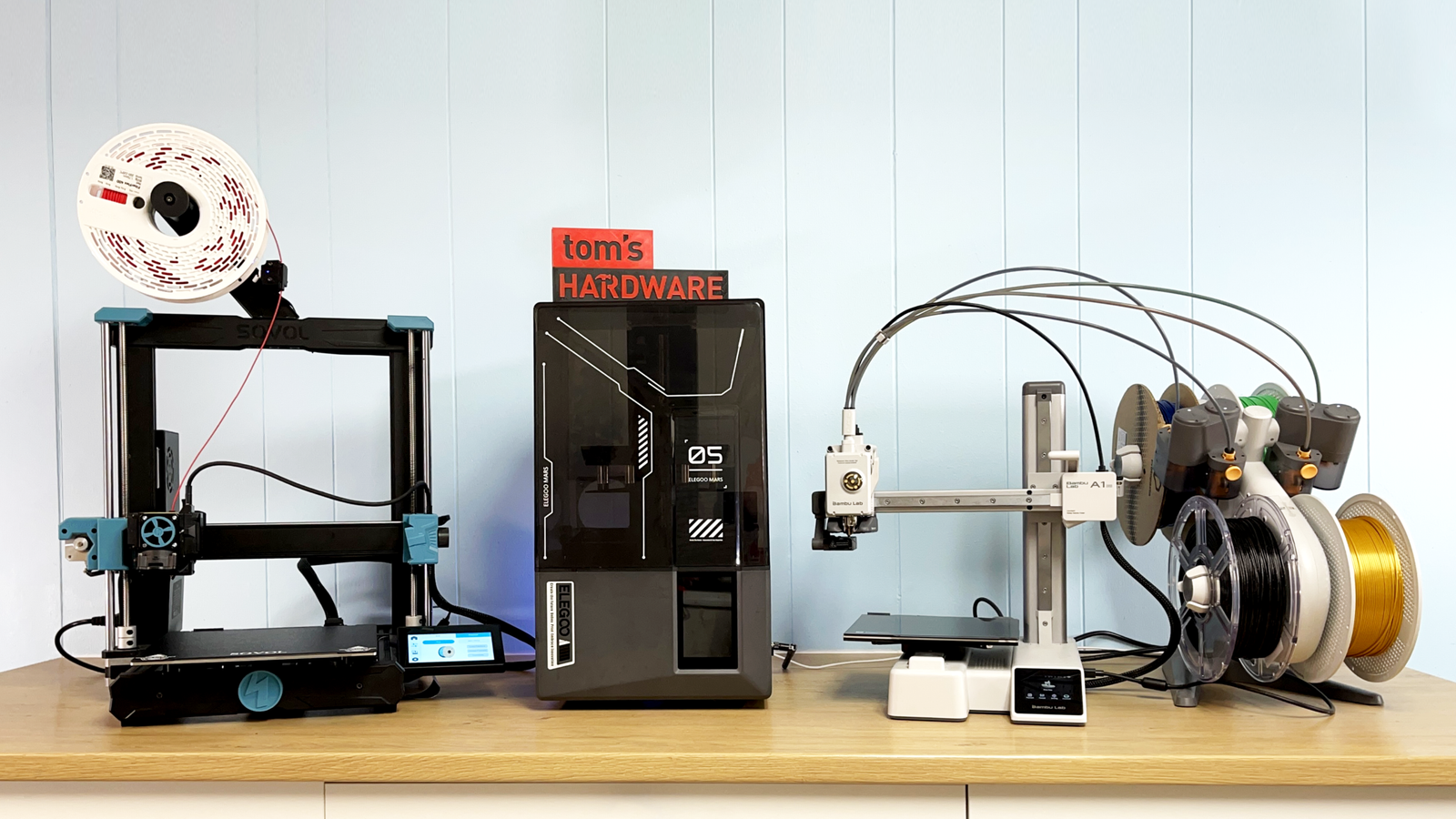
A 3D printer is a machine that creates real, physical objects from a digital design by building them layer by layer.
Instead of cutting or shaping material like traditional machines, a 3D printer adds material gradually until the object is complete. This process is called additive manufacturing.
Instead of cutting or shaping material like traditional machines, a 3D printer adds material gradually until the object is complete. This process is called additive manufacturing.
How Does a 3D Printer Work?
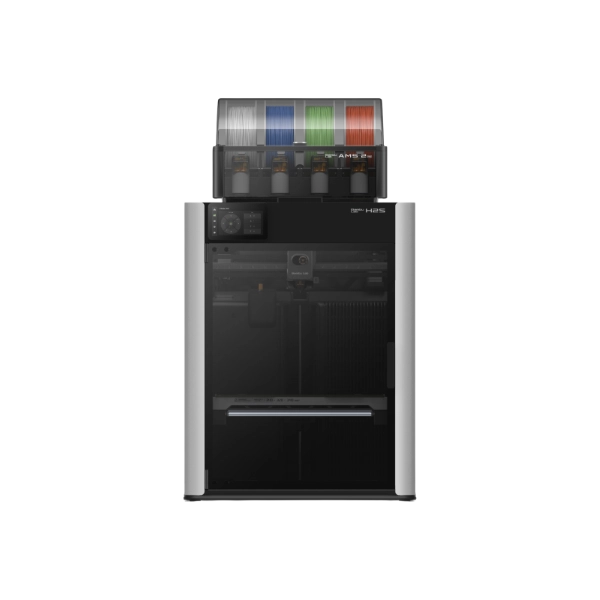
1. Digital Design
You start with a 3D model (downloaded or created).
2. Slicing
Software converts the model into instructions for the printer.
3. Printing
The printer melts filament and lays it down layer by layer.
4. Finished Object
After printing, you get a real object — ready to use.
You start with a 3D model (downloaded or created).
2. Slicing
Software converts the model into instructions for the printer.
3. Printing
The printer melts filament and lays it down layer by layer.
4. Finished Object
After printing, you get a real object — ready to use.
The Main Parts of 3D Printer
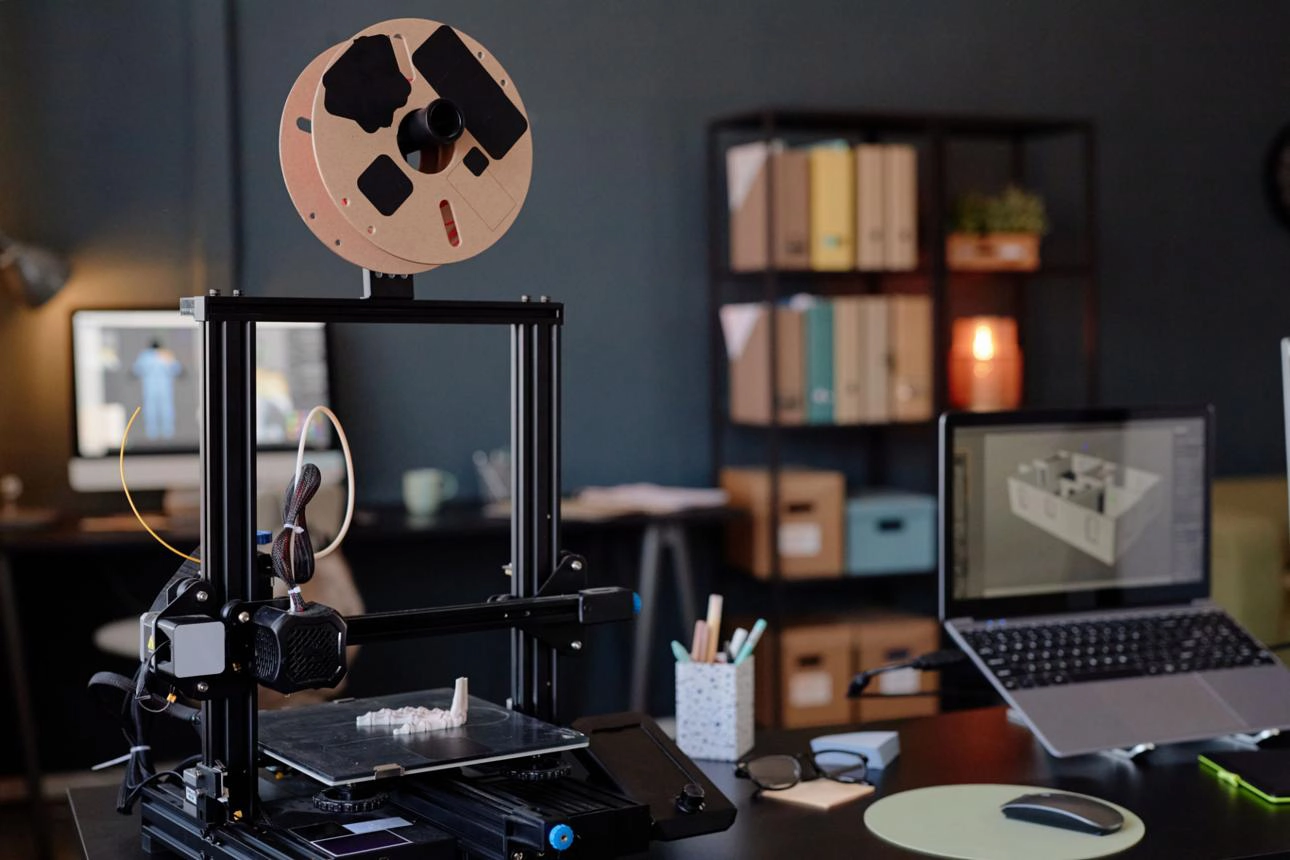
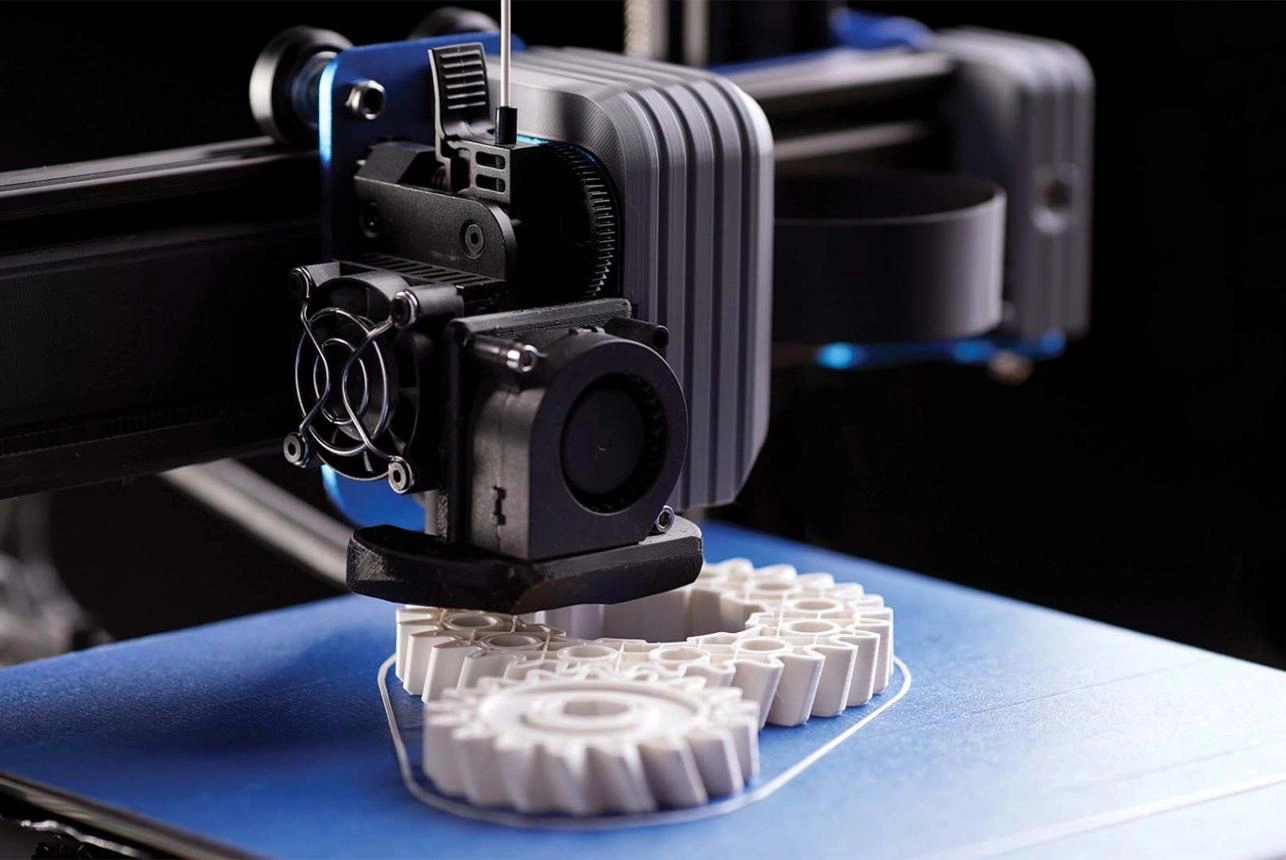
A 3D printer works by combining three critical components: the nozzle, extruder and build plate.
These parts work together to control how material is delivered, shaped, and formed into a solid object.
These parts work together to control how material is delivered, shaped, and formed into a solid object.
How They Work Together?
1. Nozzle — Shaping the Details
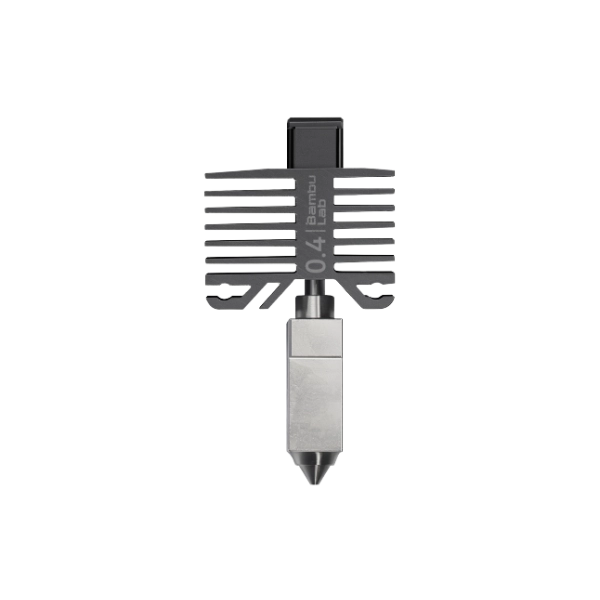
The nozzle is the small tip where melted filament is deposited.
It determines:
– Print detail
– Layer precision
– Printing speed
Common sizes:
– Smaller nozzle → higher detail, slower printing
– Larger nozzle → faster printing, less detail
The nozzle is the small tip where melted filament is deposited.
It determines:
– Print detail
– Layer precision
– Printing speed
Common sizes:
– Smaller nozzle → higher detail, slower printing
– Larger nozzle → faster printing, less detail
2) Extruder — Controlling Material Flow
The extruder is responsible for feeding filament into the printer at a controlled speed.
It ensures:
– Smooth and consistent material flow
– Accurate amount of filament is used
– Stable printing without gaps or excess material
If the extruder is not working properly:
– Too little material → weak or missing layers
– Too much material → messy, uneven surface
The extruder is responsible for feeding filament into the printer at a controlled speed.
It ensures:
– Smooth and consistent material flow
– Accurate amount of filament is used
– Stable printing without gaps or excess material
If the extruder is not working properly:
– Too little material → weak or missing layers
– Too much material → messy, uneven surface
3) Build Plate — Foundation of the Print
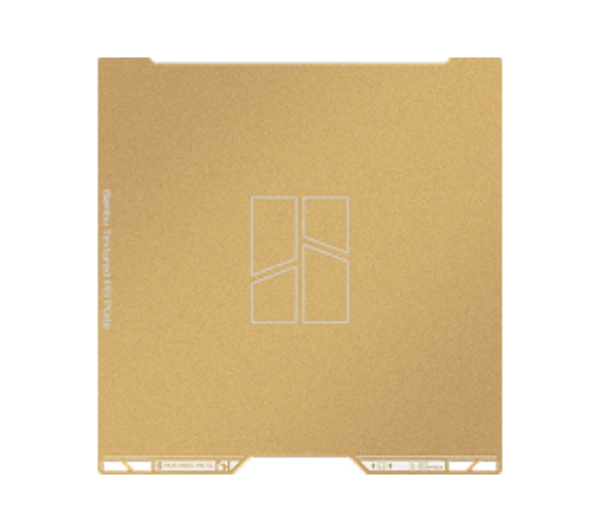
The build plate is the surface where the object is created.
Its role is to:
– Hold the print securely
– Ensure proper first layer adhesion
– Prevent warping during printing
The build plate is the surface where the object is created.
Its role is to:
– Hold the print securely
– Ensure proper first layer adhesion
– Prevent warping during printing
What Materials Do 3D Printers Use?
1. PLA (Polylactic Acid) — Best for Beginners
PLA is the most widely used material in 3D printing.
Why it’s popular:
– Easy to print
Low warping
– Works on most printers
– Environmentally friendlier (plant- based)
Best for:
– Toys & figurines
– Prototypes
– Decorative items
PLA is the most widely used material in 3D printing.
Why it’s popular:
– Easy to print
Low warping
– Works on most printers
– Environmentally friendlier (plant- based)
Best for:
– Toys & figurines
– Prototypes
– Decorative items
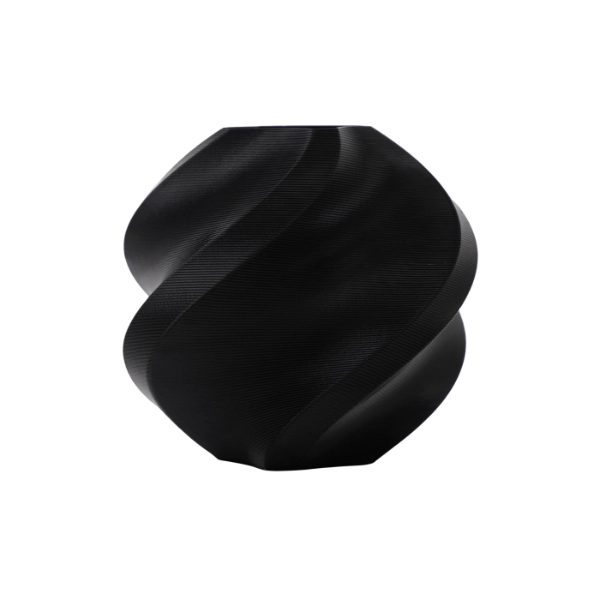
2. PETG (Polyethylene Terephthalate Glycol) — Strong & Durable
PETG is stronger and more durable
than PLA, making it suitable for functional parts.
Key advantages:
– Higher strength
– Water-resistant
– More impact-resistant
Best for:
– Mechanical parts
– Outdoor items
– Functional products
PETG is stronger and more durable
than PLA, making it suitable for functional parts.
Key advantages:
– Higher strength
– Water-resistant
– More impact-resistant
Best for:
– Mechanical parts
– Outdoor items
– Functional products
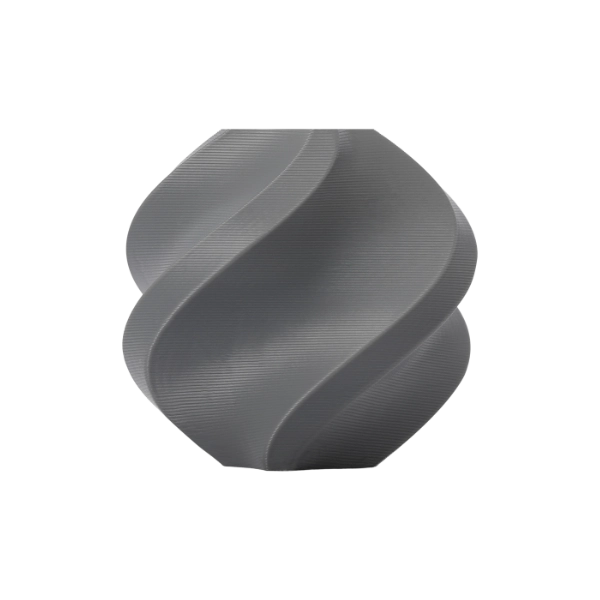
3. TPU (Thermoplastic Polyurethane) — Flexible Material
TPU is a rubber-like material that can bend and stretch.
Key features:
– Flexible and elastic
– Shock-absorbing
– Durable
Best for:
– Phone cases
– Wearables
– Soft-touch products
TPU is a rubber-like material that can bend and stretch.
Key features:
– Flexible and elastic
– Shock-absorbing
– Durable
Best for:
– Phone cases
– Wearables
– Soft-touch products